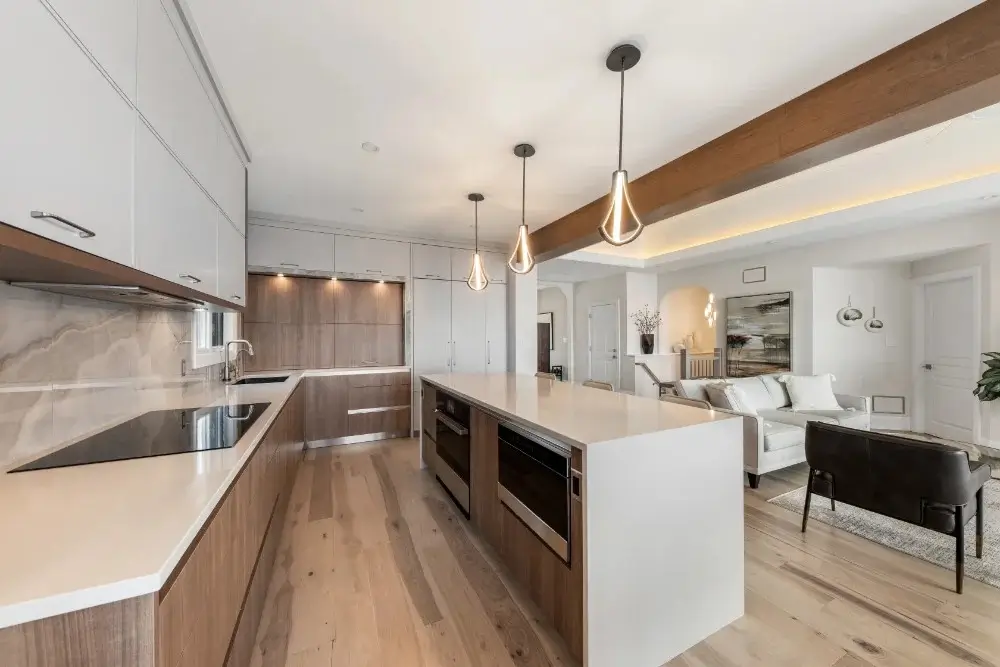
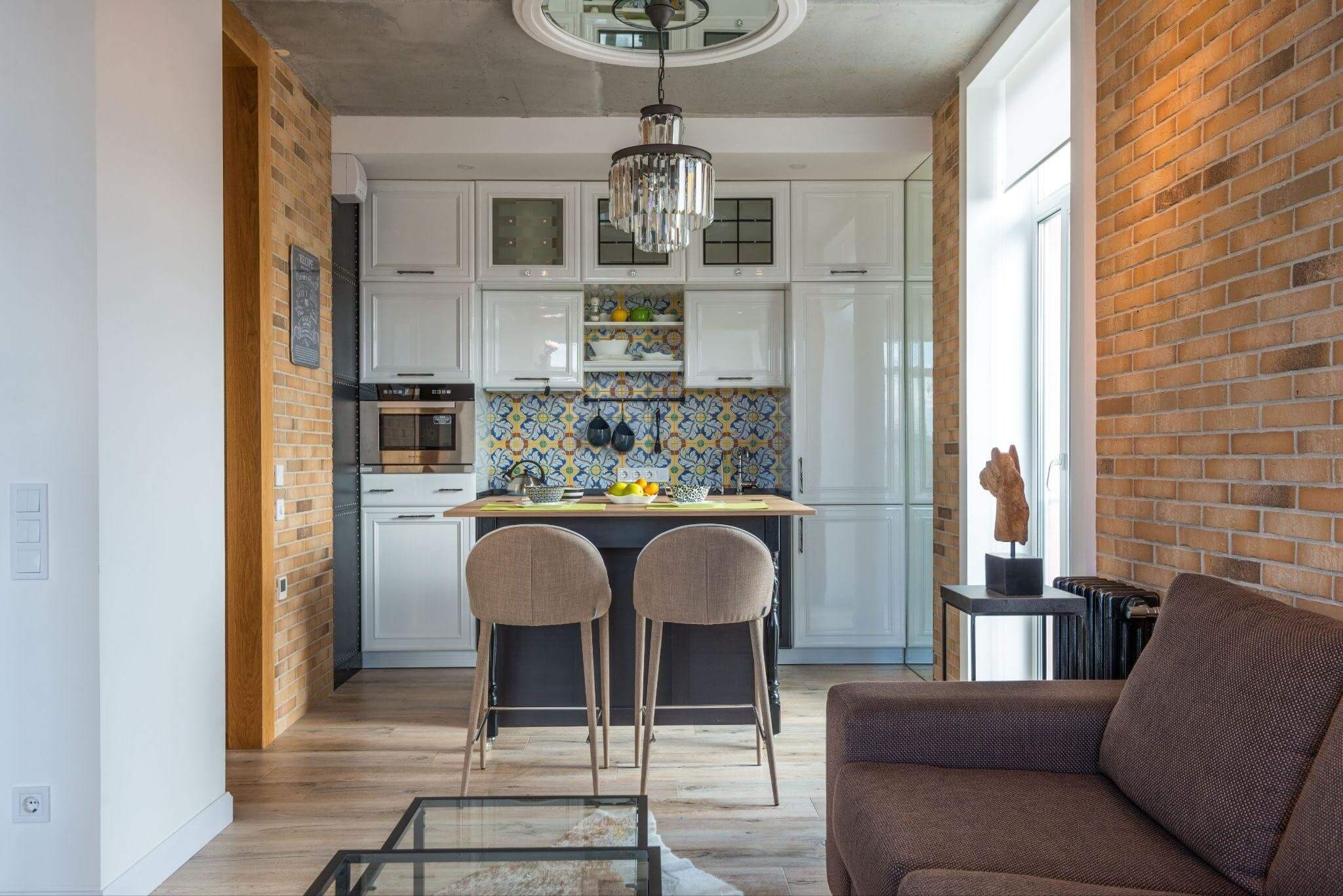
Small house interior design can be a challenge because many options that work in average or large homes don’t work in small houses. But this doesn’t mean that there aren’t ways to make your home feel inviting and cozy.
Here are the top six mistakes to avoid in small house interior design so you can have a home that reflects your personality and has timeless style.
1. Furnishing Your Small House with Oversized Pieces
One of the most common mistakes people make in small spaces is choosing furniture that’s too large. Pieces like oversized sectionals, large dining sets, and heavy entertainment centers might seem practical and work well in large spaces, but they’ll make small houses feel crowded. Large pieces create a sense of overwhelm and make small spaces feel even smaller by restricting movement.
If you’re furnishing a small house, look for pieces that are the right scale for the space. Choose minimalist pieces with a slim profile that feel light and airy.
2. Adding Too Many Small Pieces
Putting large pieces in small spaces isn’t the only furniture mistake people make. Even small pieces can create a feeling of overwhelm in a small space if you add too much. Filling a room with a bunch of small items creates a feeling of busyness and crowding. The key to designing an inviting small space is to curate pieces that are the right scale for a room.
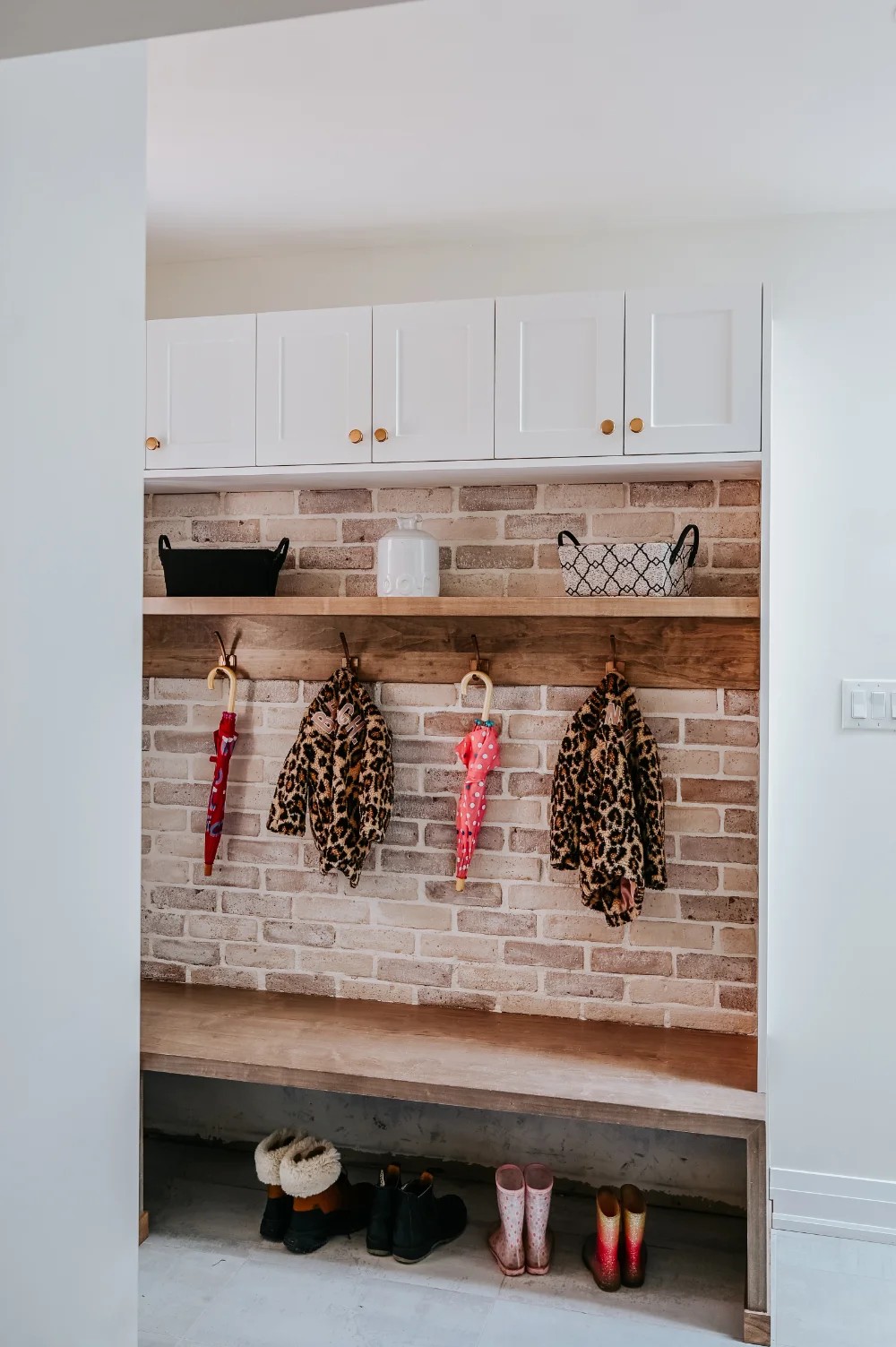
Of course, no matter the size of your space, there are certain furniture pieces you need to live comfortably, and unfortunately, it can be difficult to fit them into a small space. This is where multi-functional pieces can be beneficial. Pieces that serve double duty, such as storage ottomans, beds with built-in drawers, and benches with hidden storage, work well in small houses because they function as furniture and help keep the space clutter-free.
3. Ignoring Vertical Space
Another mistake people make when designing a small space is forgetting about the vertical space available to them. When you can’t expand out, it can help to go upward. Look for tall shelving units and vertical cabinetry that provide practical storage and draw your eye upward, helping a room feel larger.
4. Interfering with Natural Light Sources
Light is important in any space, but it’s especially impactful in small houses where things can feel cramped. Items that might be fine in larger houses where a lot of light can get in rarely work in small houses.
Things like heavy drapes and furniture placed in front of windows can negatively impact how a space feels. It’s better to opt for sheer window treatments and keep views unobstructed when you’re working in a small space.
5. Choosing a Dark Colour Palette
In addition to light, you also need to be careful with the colours you choose. While some dark colours can work in small spaces, you’ll want to avoid a dark colour palette throughout your entire space if you have a small home.
Light colours work well in small spaces, but many people don’t find them suitable for their overall style. They like rich, deep colours. The best way to make this work in a small house is to pair darker colours with light or neutral ones. You can also consider bringing in reflective surfaces to counterbalance a heavy colour scheme.
6. Forgetting that Spaces Need Visual Breathing Room
Curating a small house can be difficult. Many homeowners just aren’t willing to part with items they love, but unfortunately, too much crammed into a small space can feel visually overwhelming. It’s important to bring negative, empty space into a room to create a sense of calm spaciousness. When it comes to small spaces, when in doubt, leave it out.
Designing Your Small House
Working with a design expert means you’ll have someone to guide you through creating your perfect home, no matter its size. Whether you need help choosing furniture, paint colours, or lighting options, our designers can guide you through the process.
To learn more or to speak to someone about designing your home, visit us at Rêve Interior Design Studio.