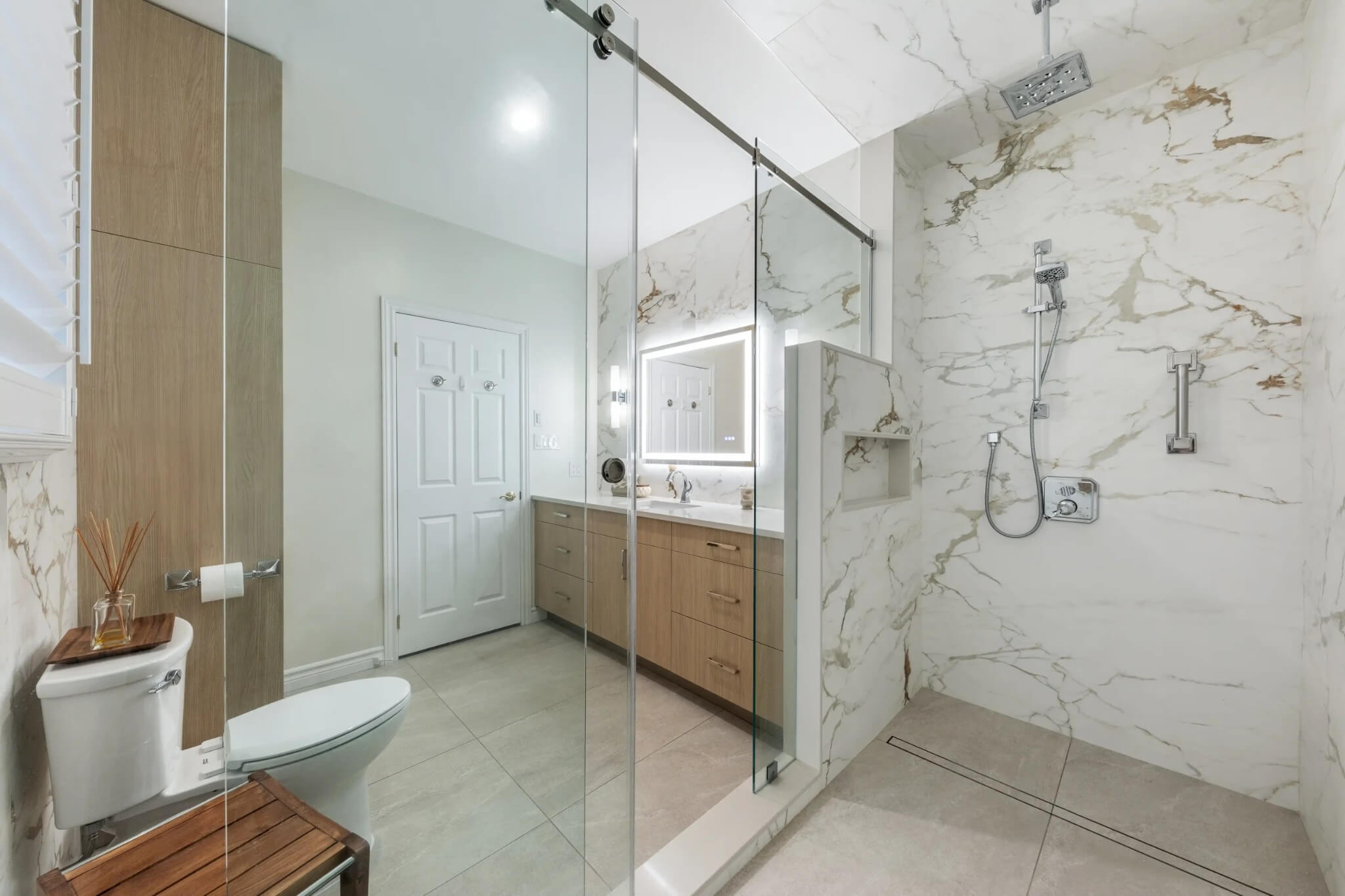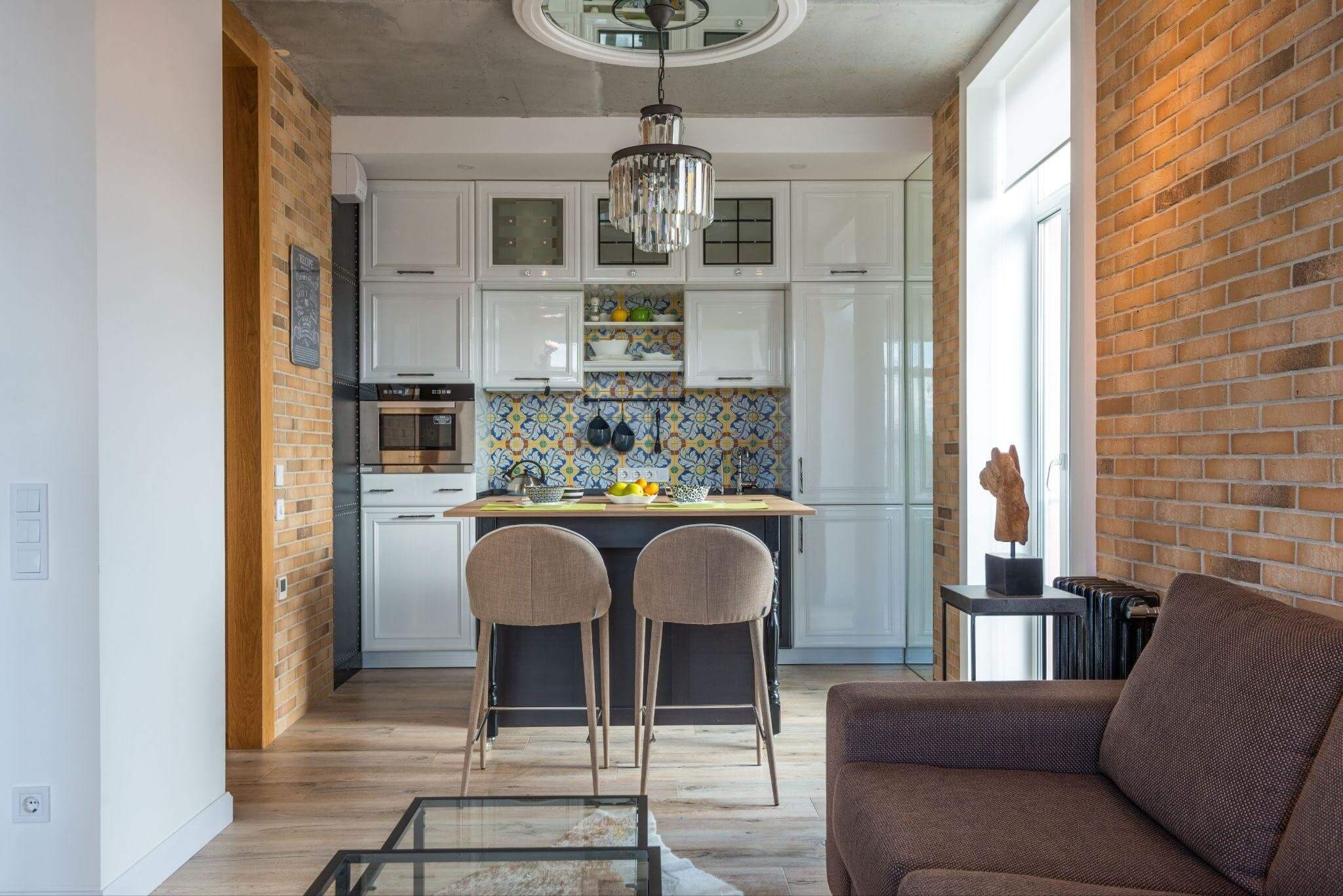
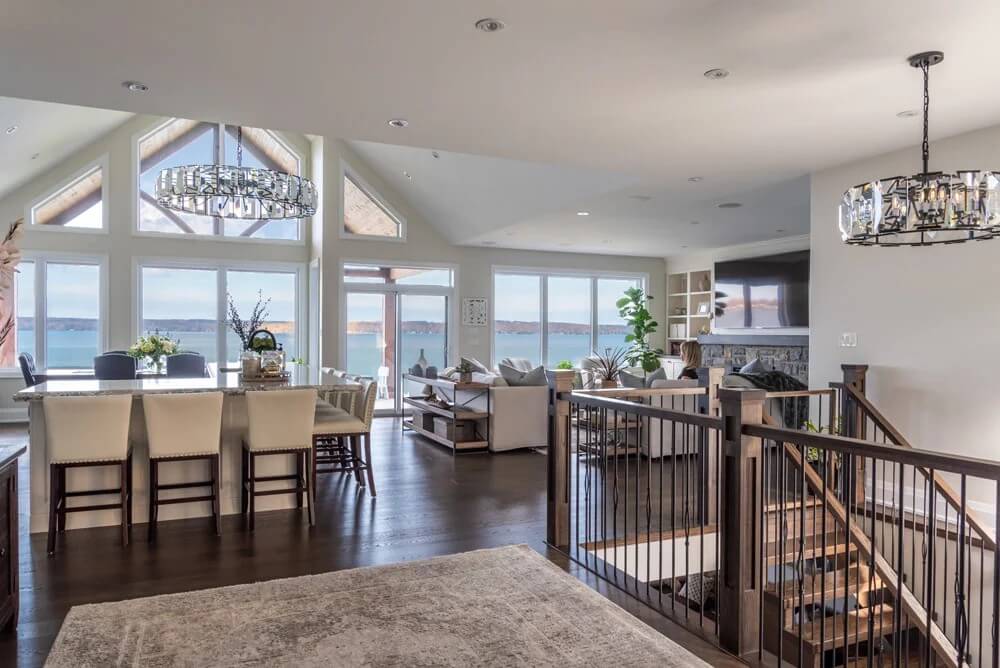
When it comes to installing wood floors in your home, many homeowners assume their best option is traditional hardwood. And while this type of flooring offers a variety of benefits, it can also be expensive and difficult to maintain. This is why engineered hardwood has become such a popular choice.
Both engineered and solid hardwood are real wood flooring. You aren’t sacrificing the authenticity of real wood when you choose engineered hardwood. At the same time, you’re getting a flooring material that offers a variety of practical advantages.
If you want the look and feel of solid hardwood flooring, but you suspect it’s not the best option for your situation, here’s why engineered hardwood might be right for you.
What Is Engineered Hardwood?
Engineered hardwood is made of wood. The difference between solid wood and engineered hardwood is that the latter is constructed of multiple layers. The top layer (what you see once the floor is installed) is hardwood. The underlying layers are made of wood-based materials arranged in alternating directions, which give engineered hardwood greater stability and help reduce the expansion and contraction that can occur with changes in temperature and humidity.
Although other materials, such as laminate and vinyl, can look like wood, they contain no wood, unlike engineered hardwood. While there are some nice vinyl and laminate flooring choices, people who want the look of hardwood without the maintenance will be happier choosing engineered hardwood flooring as a more practical option.
What are the benefits of engineered hardwood?
Stable Even with Temperature and Humidity Changes
One of the downsides of traditional hardwood flooring is that it expands and contracts as temperatures and humidity levels change. This means there’s a high risk of gaps, movement, and warping with this type of flooring.
This isn’t the case with engineered hardwood. Its resistance to warping makes it ideal in all climates, but especially beneficial in areas with seasonal extremes in temperature and humidity.
Keep in mind, engineered hardwood isn’t completely immune to moisture issues (it’s still wood), but the changing seasons are far less problematic than with solid wood.
Expanded Installation Options
Solid hardwood flooring looks great in many different rooms, but its construction can limit where it can be installed. Engineered hardwood offers greater flexibility, making it a practical choice for spaces where solid wood may not be the best fit.
Engineered hardwood can be installed in a variety of locations where solid hardwood isn’t practical. This includes:
- Over concrete subflooring
- Humid rooms (such as kitchens, bathrooms, and laundry rooms)
- Basements
- Rooms where floating installation is the best option
- Spaces where nailing into subflooring isn’t an option
Real Wood Appearance
One of the things homeowners love about engineered hardwood is that it looks just like solid wood flooring. The section of the flooring you see once it’s installed is hardwood. This means that you can get the exact look of hardwood without any of the upkeep, and you’re able to install wood flooring in rooms where traditional hardwood wouldn’t be an option.
Engineered hardwood is available in a variety of species, stains, colours, textures, plank widths, and finishes, so you get just as wide a variety of options in wood flooring, too.
Is Engineered Hardwood Always the Better Option?
Engineered hardwood gives you many of the benefits of solid hardwood, but it may not be the best choice for every homeowner or every situation. Some of the reasons you might prefer solid wood to engineered hardwood include:
- Maximum refinishing potential: You want the option to sand and refinish your floors many times over the years.
- Extensive lifespan: Engineered hardwood lasts a long time, but not as long as solid wood flooring, which can be sanded and refinished again and again over generations.
- Price: Quality engineered hardwood costs approximately as much as solid hardwood flooring. If you need to keep things as budget-friendly as possible, you could get a high-quality laminate or vinyl for what you’d pay for the least expensive engineered hardwood.
Choosing the Right Wood Flooring for Your Home
Finding the right flooring option for your home doesn’t have to be overwhelming. If you’re ready to explore your options and find a flooring choice that’s best suited for your home, we can help.
To learn more or to speak to someone about engineered hardwood and other flooring options, visit us at Rêve Interior Design Studio.