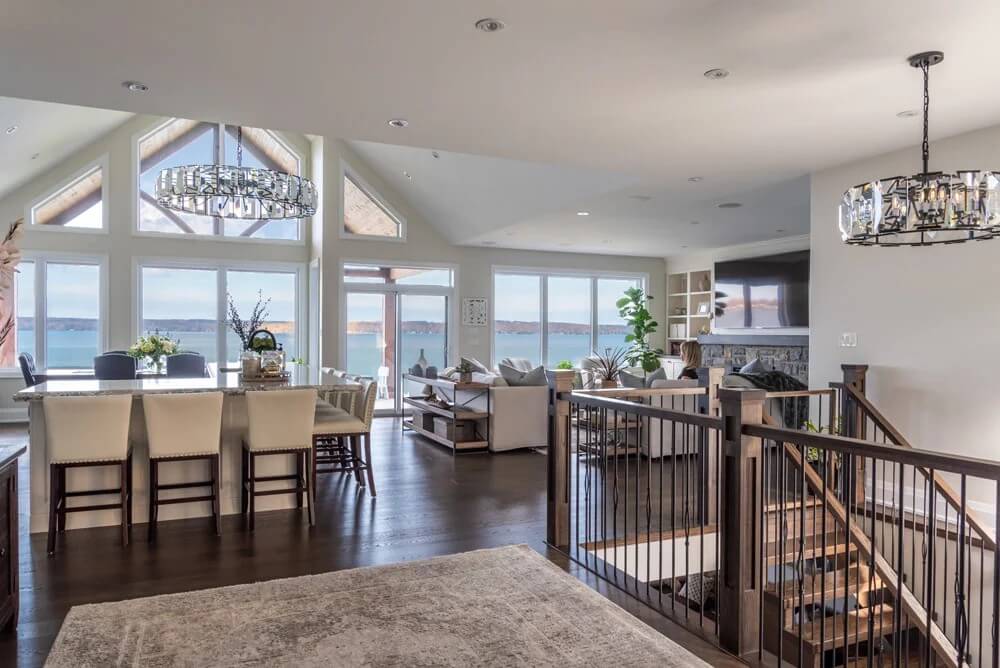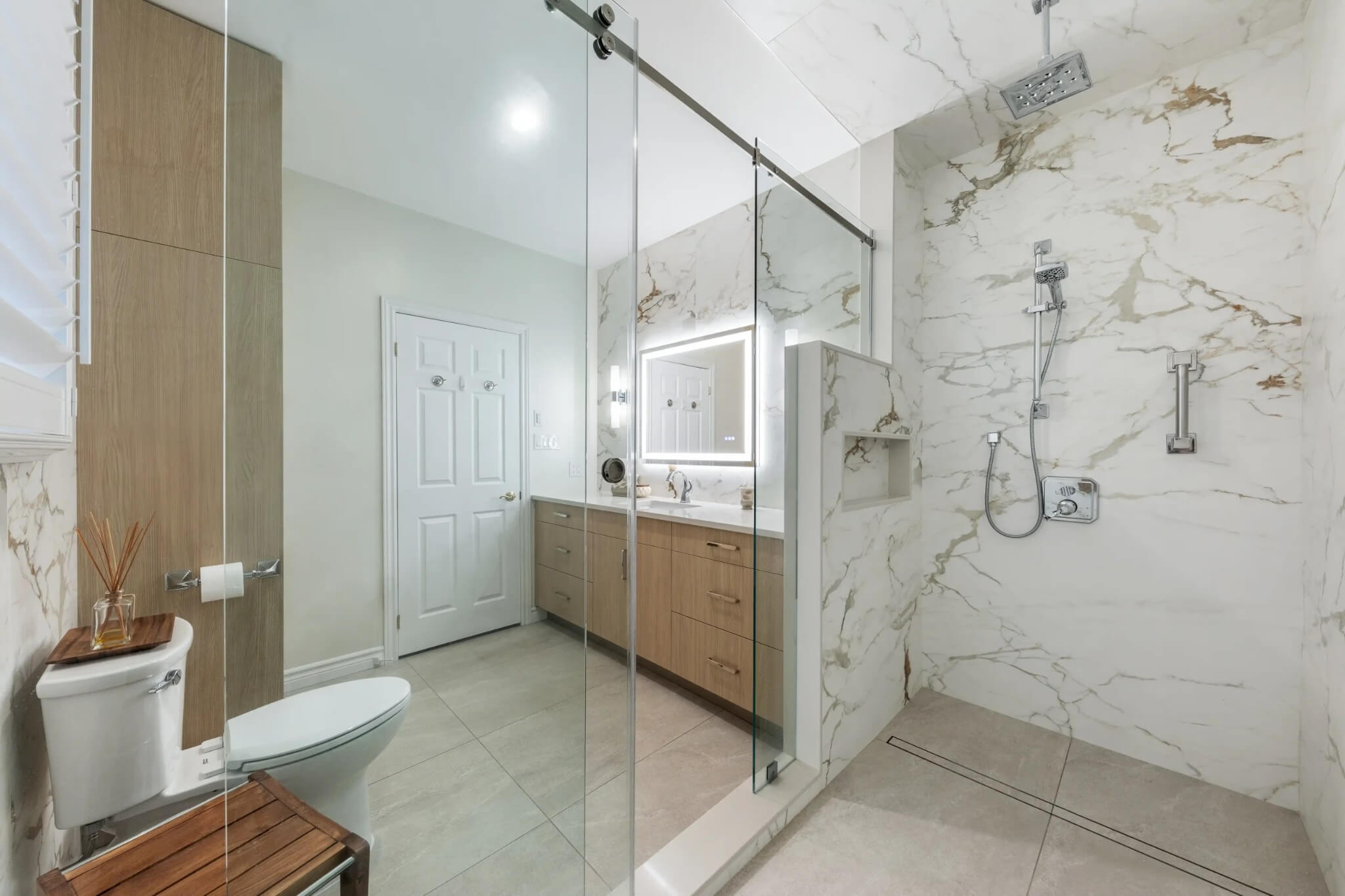
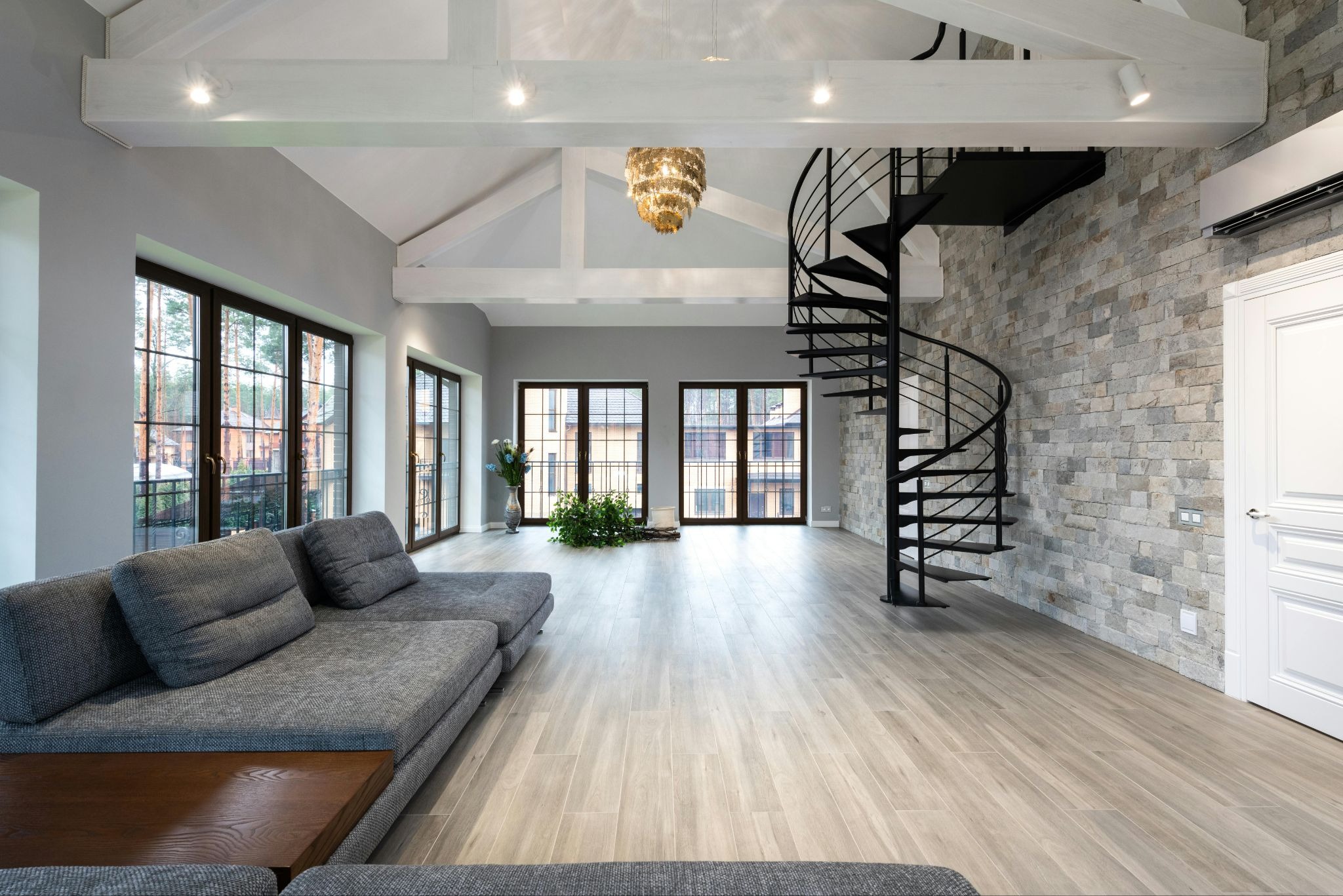
Learn about engineered hardwood vs hardwood flooring. What are the pros and cons of each, and which will work best in your space?
How do you know if engineered hardwood or hardwood is better for your home? No matter which you choose, you’ll get the look of a real hardwood floor, but the cost and how you maintain your floors will be different based on whether you choose engineered or hardwood.
New flooring in your home is one of the most high-impact ways to create a fresh look, and engineered hardwood and hardwood are two of the most popular choices. Both offer benefits and drawbacks, which is why it’s important to learn what will work best for your space.
Here’s what you need to know.
What Is Solid Hardwood Flooring?
For decades, solid or “real” hardwood flooring was considered the standard premium option in quality flooring. It was often one of the selling features of a home.
Solid hardwood flooring is made up of planks made from a single piece of natural wood, usually maple, oak, hickory, or walnut.
This type of flooring is coveted for its natural look and long lifespan. You can sand and refinish hardwood floors many times over decades, enhancing their look even after years of wear and tear. But for many homeowners, the need to refinish their hardwood floors over time is seen as a drawback.
Benefits of solid hardwood flooring include:
- Long lifespan (can last decades with refinishing)
- Can be sanded and refinished multiple times
- Increase home value
- Durable surface
As appealing as hardwood is for many homeowners, it does have a few drawbacks. For example, this type of flooring is:
- More sensitive to humidity and moisture
- Not ideal for basements or high-moisture areas
- Higher material and installation costs
- Installation usually requires professional work
- May require specialized cleaning
What Is Engineered Hardwood Flooring?
Engineered hardwood offers a look similar to real hardwood, but it’s made from a wood veneer layer over a plywood or high-density fiberboard core. Like regular hardwood, it’s a durable, stable option.
The top layer of your flooring is hardwood, which means it can be difficult to tell that it’s not a standard hardwood floor, but you get the look at a reduced cost.
Benefits of engineered hardwood include:
- Stability in a variety of different environments
- Resistant to expansion and contraction, making it better for humid or moist climates
- Usually easier to install and can be installed over concrete
- Less expensive than solid hardwood
- Available in a variety of styles and finishes
However, like real hardwood, engineered hardwood does have a few drawbacks, including:
- Limited refinishing compared to solid hardwood
- Lifespan depends on the thickness of the veneer layer and usually isn’t as long as that of solid hardwood
- Quality varies between manufacturers
What Should You Consider When Choosing Between Engineered Hardwood vs. Hardwood?
There are a few considerations you’ll want to factor in when choosing between these two flooring types. For example:
Where the Flooring Is Located
Areas with a higher risk of moisture or water exposure will fare better with engineered hardwood. This includes rooms like kitchens, basements, bathrooms, and laundry areas.
Your Climate
Ontario experiences drastic seasonal humidity changes, so most Ontario homeowners fare better with engineered hardwood because of the moisture.
What You Can Afford to Spend
Solid hardwood costs more upfront than engineered hardwood, but it’s likely to last longer. If your budget is tight, real hardwood might not be an option. However, if you want the best value over time, it might be a more cost-effective choice, even though you’re paying more upfront.
You’re Concerned About Installation
If you’re concerned about installation for any reason, engineered hardwood tends to be easier to install. This might be an issue depending on the size of the space, the time you have for installation, or your skill level if you’re DIYing your flooring project.
How Do You Know Which Flooring Option Is Right for You?
Sometimes, the flooring option that’s right for you comes down to a matter of style and design. However, when you’re choosing between hardwood and engineered hardwood, you have the option of getting the look of hardwood, no matter which of the two you choose.
This means you should focus most on two factors: function and budget.
Your best choice between these two types of flooring depends on where it will be installed and how long you plan to stay in your home, as well as how much you can afford to spend right now on flooring.
If you’d like assistance with choosing the best type of flooring for your home, we can help. Visit us to discuss your options.